Everything to Know Before Your First Colonoscopy
A clear, step-by-step look at what to eat (and avoid), how to manage medications, and what really happens on procedure day — written by our board-certified gastroenterologists.
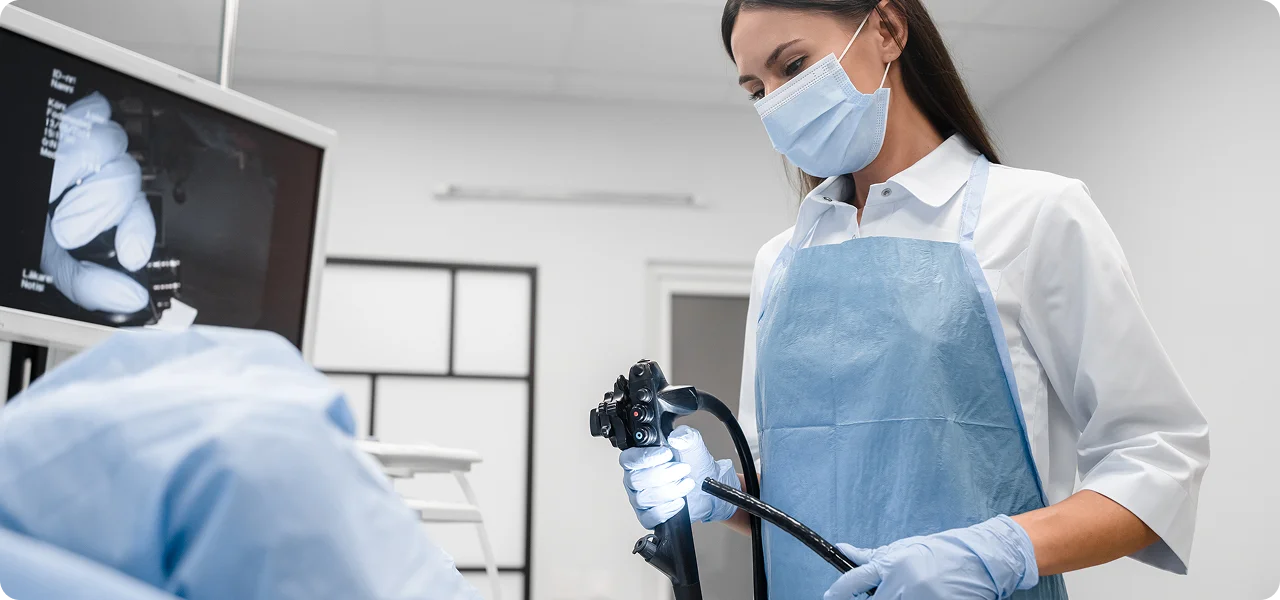
If you have a colonoscopy on your calendar for the first time, you probably have questions — and that’s completely normal. This guide walks you through what happens before, during, and after the procedure, so you can show up prepared and confident.
Why colonoscopy matters
Colonoscopy is the gold standard for colorectal cancer screening. It allows our physicians to examine the entire colon and to detect — and remove — polyps before they progress. Most colorectal cancers begin as small, slow-growing polyps. Catching them early is one of the most reliable ways to prevent serious disease.
Current AGA and ACG guidelines recommend that adults at average risk begin screening at age 45. If you have a family history or known risk factors, your physician may recommend starting earlier or scheduling more frequent screenings.
Who should be screened
- Adults aged 45 and older at average risk
- Anyone with a personal or family history of colorectal cancer or advanced polyps
- Patients with inflammatory bowel disease (Crohn’s disease or ulcerative colitis)
- Adults experiencing persistent symptoms such as rectal bleeding, change in bowel habits, or unexplained weight loss
A week before: what to do
In the days leading up to your colonoscopy, you’ll receive a personalized prep packet with detailed instructions tailored to your procedure. Read through it carefully and call our office at (215) 464-7222 if anything is unclear. The goal of prep is simple: a clean colon helps your physician see clearly and deliver the most accurate results.
Diet & fasting guidelines
Three days before your procedure, you’ll typically move to a low-fiber diet — avoiding nuts, seeds, raw fruits and vegetables, and whole grains. The day before, you’ll switch to clear liquids only: water, clear broth, apple juice, tea, and gelatin (avoid anything red or purple, which can mimic blood on imaging).
Figure 1. Examples of approved clear liquids for the day before a colonoscopy.
Managing medications
Some medications may need to be paused or adjusted before your procedure — most commonly, blood thinners, certain diabetes medications. Always review your full medication list (including over-the-counter drugs and supplements) with our team in advance. Never stop a prescription on your own without confirming with your physician.
The single biggest predictor of a smooth colonoscopy isn’t age, gender, or medical history — it’s how carefully a patient follows their prep instructions.
— Dr. Maya Spodik
The day of your procedure
Plan to arrive at the affiliated Grant Surgicenter about 30 minutes before your scheduled time. You’ll be checked in, change into a procedure gown, and meet briefly with your physician and anesthesia team. Most colonoscopies are performed under conscious sedation and take 30–60 minutes from start to finish. You won’t remember the procedure itself, and most patients report feeling rested afterward.
After the procedure
You’ll spend about 30–45 minutes in recovery while sedation wears off. A responsible adult must drive you home — you cannot drive yourself for the rest of the day. You can usually resume a normal diet that evening, though we recommend starting with something light. Mild bloating or gas is common and resolves within a few hours.
When to call our office
Most patients have a smooth recovery, but contact us at (215) 464-7222 if you experience severe abdominal pain, persistent fever above 100.4°F, or bleeding that doesn’t stop. If you ever feel uncertain about a symptom, calling is always the right choice.
Ready to schedule your screening?
Our board-certified team is welcoming new patients. Call (215) 464-7222 or request an appointment online.
Tagged with
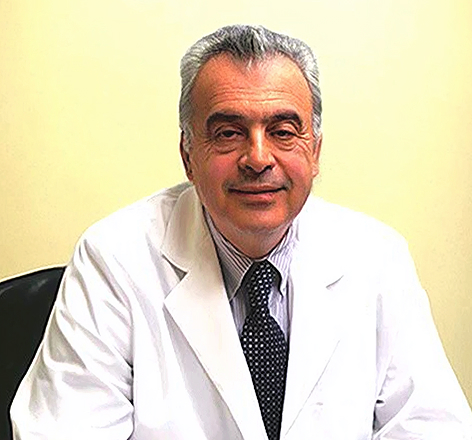
Dr. Michael Lieb
Board-Certified GI
Dr. Lieb is a board-certified gastroenterologist specializing in the diagnosis and treatment of digestive diseases. He provides expert care in colonoscopy, upper endoscopy, and the management of chronic GI conditions, bringing clinical precision and a patient-centered approach to every consultation.